
Lessons from the Forest, 2016 - 2018 is a five part poly-lingual video series exploring forest ecology and human relationships. Responding to the growing global immigration crisis, footage and most audio was captured during an artist residency in Schwandorf, Germany, part of the Palatinate Forest, in a the region commonly known as Bavaria. Over the course of 4 videos, produced while in Germany and back in the US, I explored biodiversity and the concept of borders in nature and between people.
Lessons from the Forest Part 1 - 2, excerpt, 2016. In English and German. A 5 part "radio-play" with video and live cinema performance about finding and losing oneself in an ever-expanding universe. All words, images, music by Sasha Petrenko. Featuring the voice of Idilko Frank, in German and Sasha Petrenko in English. Original length, 7.44 minutes.
Lessons from the Forest part 3, excerpt, 2016. Original 4.20 minutes.
Lessons from the Forest part 3, excerpt, 2018. 5:40 minutes. All sound, video by the artist.
Images below courtesy of the artist include video stills, installation view at the Los Angeles Arboretum, 2016 and live cinema performance of Lessons from the Forest, Part 5 at The Temescal Art Center, Oakland CA, 2017. Full versions available by request.


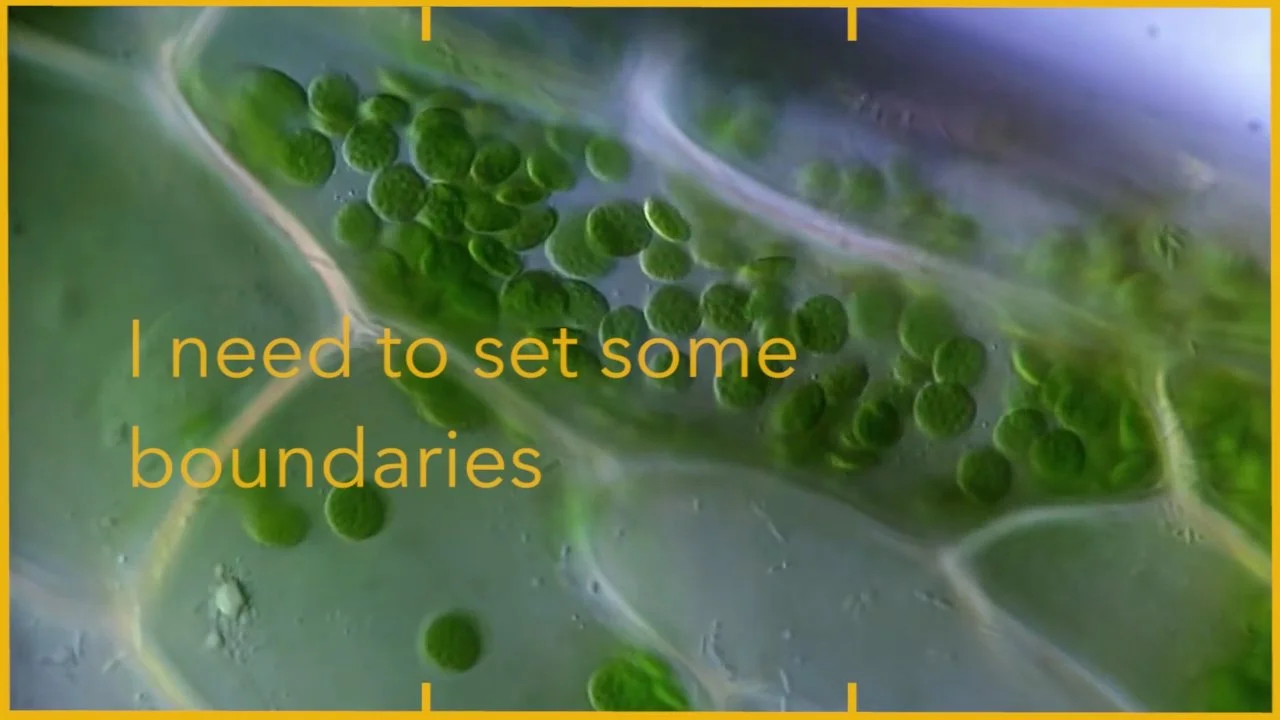
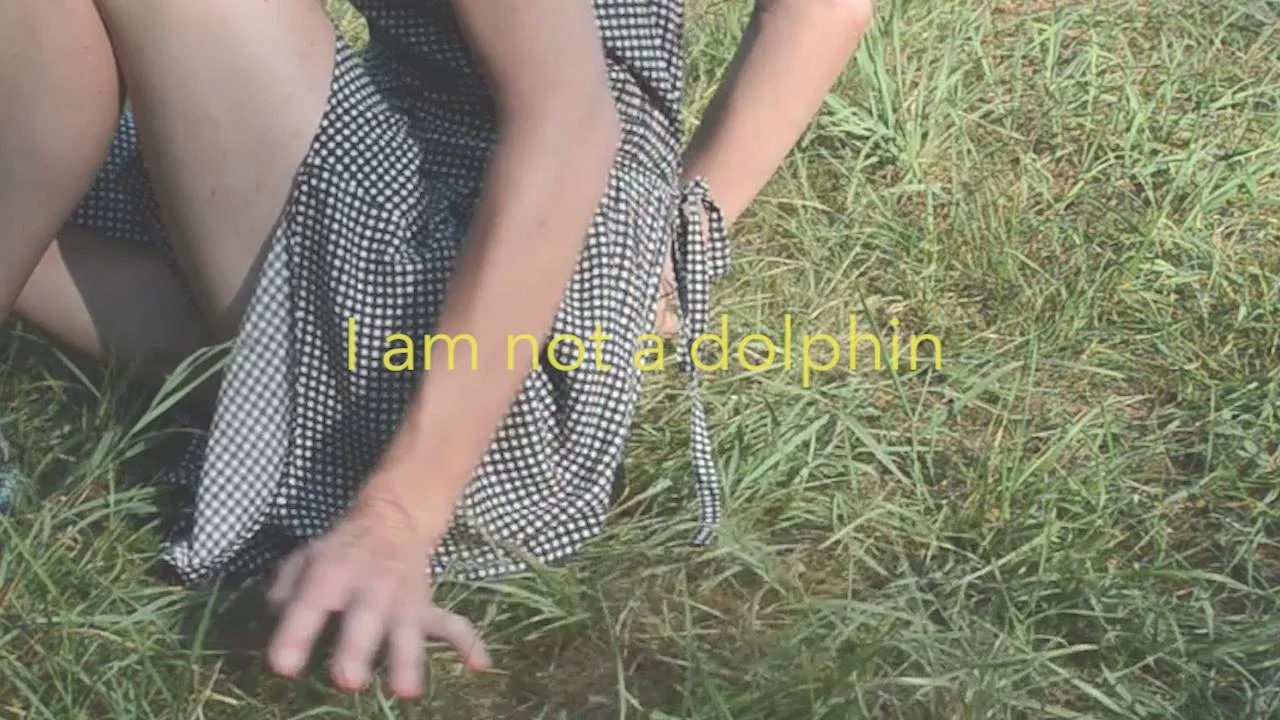




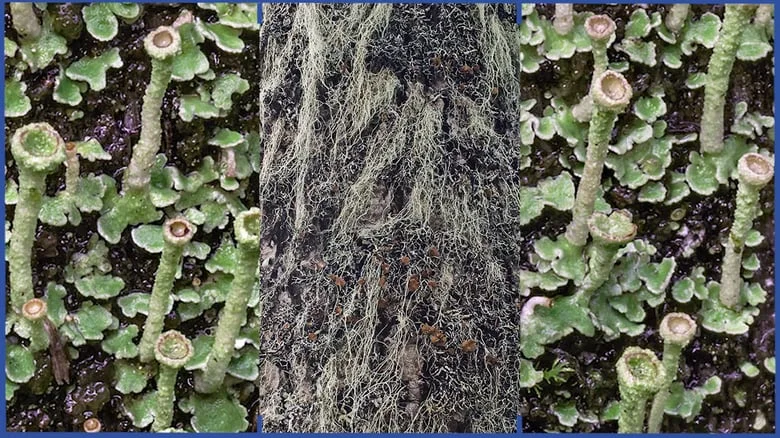


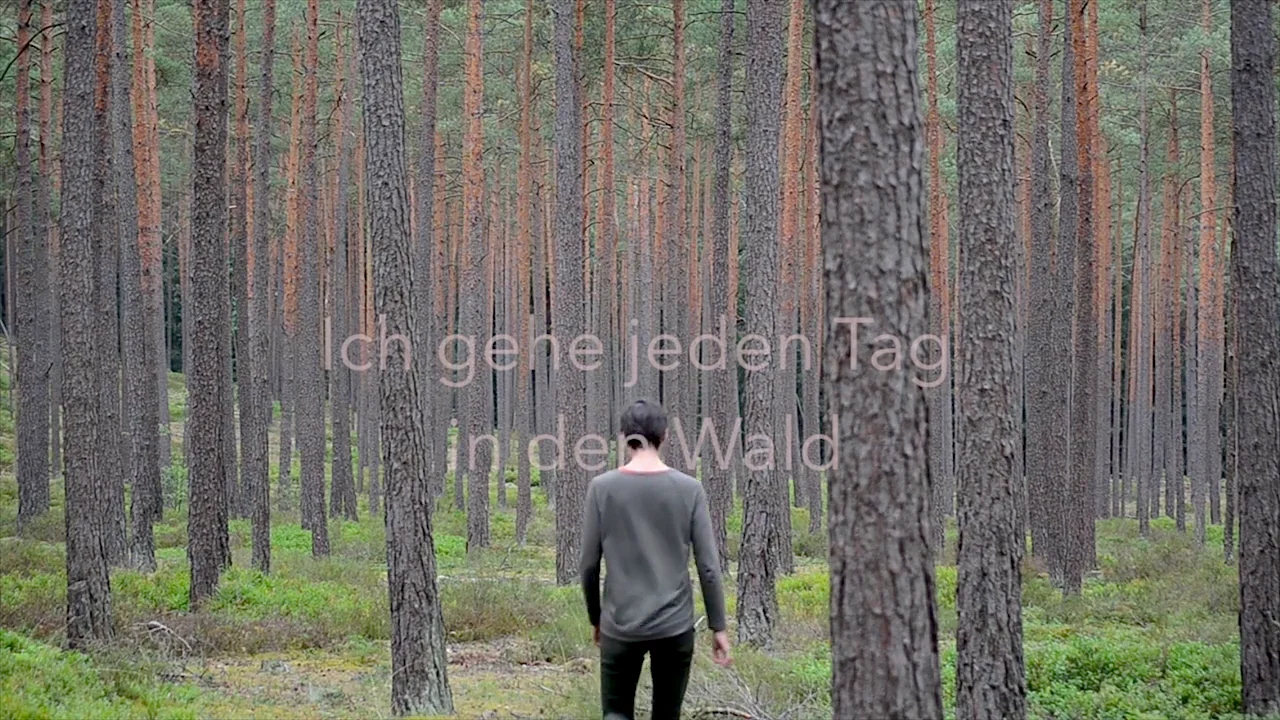
The multiple languages used throughout Lessons from the Forest, namely German, English and Czech are meant to reflect the diversity inherent in a healthy ecosystem and were chosen for reasons of familiarity and convenience. Czech is artist’s mother tongue and as the work began in Germany, german speakers were willing and close at hand. Additionally, the German people and their culturally significant relationship to the forest provided additional source material and context for the ecologically grounded project. The layered quality of the soundtrack, where words are spoken repeatedly, with different languages comprising a single sentence, pushes the words towards becoming more sound and emotion, than symbol and idea. What is left is relationships, between voices, between species. And as the relationships become more essential, the self dissolves into the network and becomes part of the ecological community.
It was a hot summer when Sasha Petrenko was traveling through Northern Europe en route to a Bavarian artists residency. Sensing the growling tension, between local inhabitants and the people fleeing for their lives, the project originated from an impulse to reconcile the dual concerns expressed by people, family members, artists and the public alike. As moral beings, we may know we should welcome those in distress, yet as individuals and as members of a distinct culture, we may fear that we will feel a burden or be threatened by opening our borders? Where can we find answers free of the dogma of human constructs of class, politics and race?
Looking to nature to find solutions for human problems is a familiar strategy for scientists and designers but what if we could draw knowledge from ecosystems and how they are structured to solve social and political crisis? Is the relative porousness of borders in nature a more effective means than nationhood for organizing sympathetic groups? What is the role of diversity in a forest and how does it contribute to a community’s resilience? What is the role of self in a society that depends on networks and relationships to survive? How does the forest’s ecosystem handle waste?
*Most recently biologists have discovered that yeast is a member of some Lichen plants but the role and whether the relationship is parasitic or beneficial is not yet determined.